
Home Additions
Room additions, second-story additions, and bump-outs that blend with your existing home. Licensed, permitted, and backed by 40 years of experience.
★★★★★ 5.0 / 103 Google Reviews | Licensed & Insured | 40+ Years | ✓ Serving Long Island | A+ BBB Rating
IS IT TIME?
Signs you need a home addition
Moving is expensive. If you love your neighborhood but your home feels too small, an addition lets you stay put and gain the space you need.
- Your family has outgrown the current floor plan
- You need a first-floor bedroom or bathroom for an aging parent
- The kitchen is too small and there is no room to expand within the footprint
- You work from home and need a dedicated office with privacy
- You want a family room, sunroom, or four-season room
- Multiple kids are sharing a bedroom and need separate spaces
- Your home’s resale value would increase with more square footage
- You have unused yard space that could become livable area
If any of these sound familiar, call (631) 430-5995. We can assess your basement in one visit.
Why Choose Us
Why Meigel Home Improvements for Home Additions
Architectural Plans Included
We coordinate with architects and engineers to produce stamped plans that pass town review.
Foundation to Finish
Excavation, foundation, framing, roofing, siding, windows, electrical, plumbing, HVAC, and interior finish. One company.
Seamless Integration
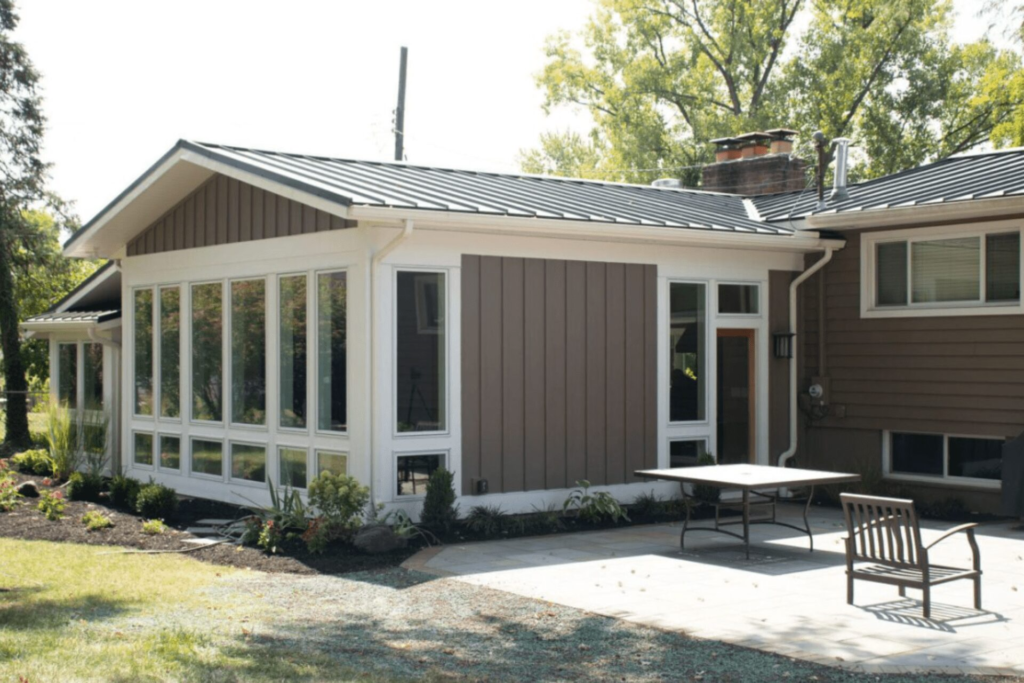
We match siding, rooflines, trim, and interior finishes so the addition looks original, not bolted on.
Full Permit Management
We handle zoning review, building permits, setback requirements, and all inspections through certificate of occupancy.
Home addition services we offer on Long Island
Adding onto a Long Island home involves zoning, setbacks, and matching decades-old construction. Here is what we build..
Room Additions Single-room expansions for bedrooms, offices, family rooms, or dining areas. Foundation, framing, and full interior finish.
Second-Story Additions Full or partial second floors added above your existing first floor. Structural reinforcement of the existing foundation included.
Kitchen Extensions Expanding your kitchen footprint outward to gain counter space, island room, or eat-in dining area.
In-Law Suites and Accessory Units Self-contained living spaces with bedroom, bathroom, kitchenette, and separate entrance. Built to local ADU zoning requirements.
Sunrooms and Four-Season Rooms Insulated, heated, and cooled additions with large windows or glass walls. Usable year-round, not just in summer.
Bump-Outs Smaller expansions, typically two to four feet, that add meaningful space to a kitchen, bathroom, or bedroom without a full addition.
Garage Conversions Converting an attached or detached garage into heated living space with proper insulation, flooring, egress, and mechanical systems.
Dormer Additions Expanding roofline to add headroom and usable space on upper floors. See our /dormers/ page for details.
OUR PROCESS
From concept to completed addition
Free Site Consultation
We visit your property, discuss your goals, review setback and zoning limitations, and talk through budget ranges.
Design, Engineering, and Permits
Architectural plans are drawn, structural engineering is completed, and all permits are submitted and approved before breaking ground.
Construction
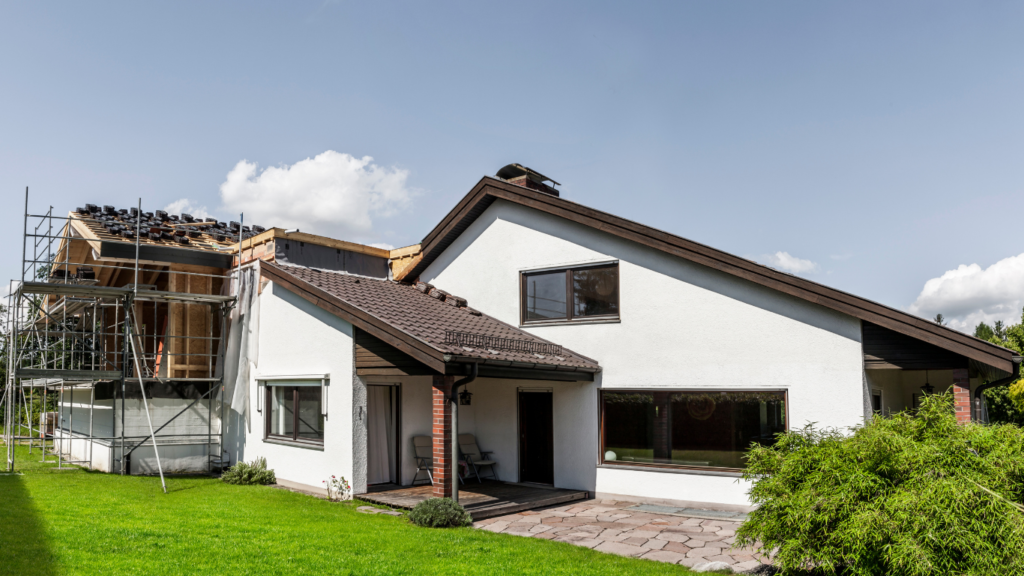
Foundation, framing, roofing, siding, windows, mechanical rough-ins, insulation, drywall, and finish work are completed in sequence.
Final Inspections and CO
We schedule and pass all required inspections, obtain the certificate of occupancy, and walk you through the completed addition.
FAQ
Common Questions About Home Additions
Home additions on Long Island typically range from $200 to $400 per square foot depending on the type, finishes, and complexity. A 200-square-foot room addition may cost $40,000 to $80,000. A full second story runs significantly higher. We provide a free written estimate after evaluating your property and goals.
Most room additions take three to five months from permit approval to completion. Second-story additions and larger projects can take five to eight months. Weather, permit turnaround, and material lead times all factor in. We provide a detailed schedule at the start.
Yes. Home additions require building permits, and most towns on Long Island require zoning board review to confirm the addition meets setback, lot coverage, and FAR (floor area ratio) requirements. We handle all submissions and attend hearings if needed.
Yes. We match siding material, roofline pitch, window styles, and interior trim profiles so the addition looks like it was always part of the house. This is one of the most important details in addition work and we take it seriously.
Yes. We coordinate with licensed architects and structural engineers to produce stamped plans required for permit submission. Plan costs are included in your project proposal.
Yes. We hold an active contractor license [CONFIRM LICENSE #] and carry general liability and workers' compensation insurance. Certificates available for your records.
It depends on your town's setback and lot coverage rules. Some homeowners with tight lots opt for a bump-out or second-story addition instead of expanding the footprint. We evaluate your property's zoning during the free consultation.
Yes. We build self-contained accessory dwelling units with separate entrances, kitchens, and bathrooms. Zoning rules for ADUs vary by town on Long Island, and we research the requirements for your specific municipality before starting design.
Most room additions on Long Island use poured concrete foundations with footings below the frost line (36 to 48 inches on Long Island). Slab-on-grade and crawl spaces are also options depending on the project. We match the foundation approach to your existing structure.
Usually not. We phase the work to keep disruption manageable. The existing home remains livable while we build the addition. The tie-in phase, when we connect the new space to the existing structure, typically takes a few days and we coordinate timing with you.
Don't see your question? Call us. We answer every call.
(631) 430-5995Service Area
Serving Long Island for 40+ Years
Our main office is in Hauppauge, and most of our projects are within a 30-minute drive. We regularly work in Smithtown, Commack, Centereach, Huntington, and Brentwood. We also take projects throughout western Suffolk and into Nassau County, including Syosset, Plainview, Hicksville, Jericho, and Woodbury. Whether your home is a ranch in Deer Park or a Colonial in Cold Spring Harbor, we have likely worked on one just like it. If your town is not listed, call anyway. For the right project, we cover all of Long Island.
Additional Cities We Serve
Islip · Bay Shore · Ronkonkoma · Bohemia · Holbrook · Lake Grove · Nesconset · Kings Park · Northport · East Northport · Dix Hills · Melville