
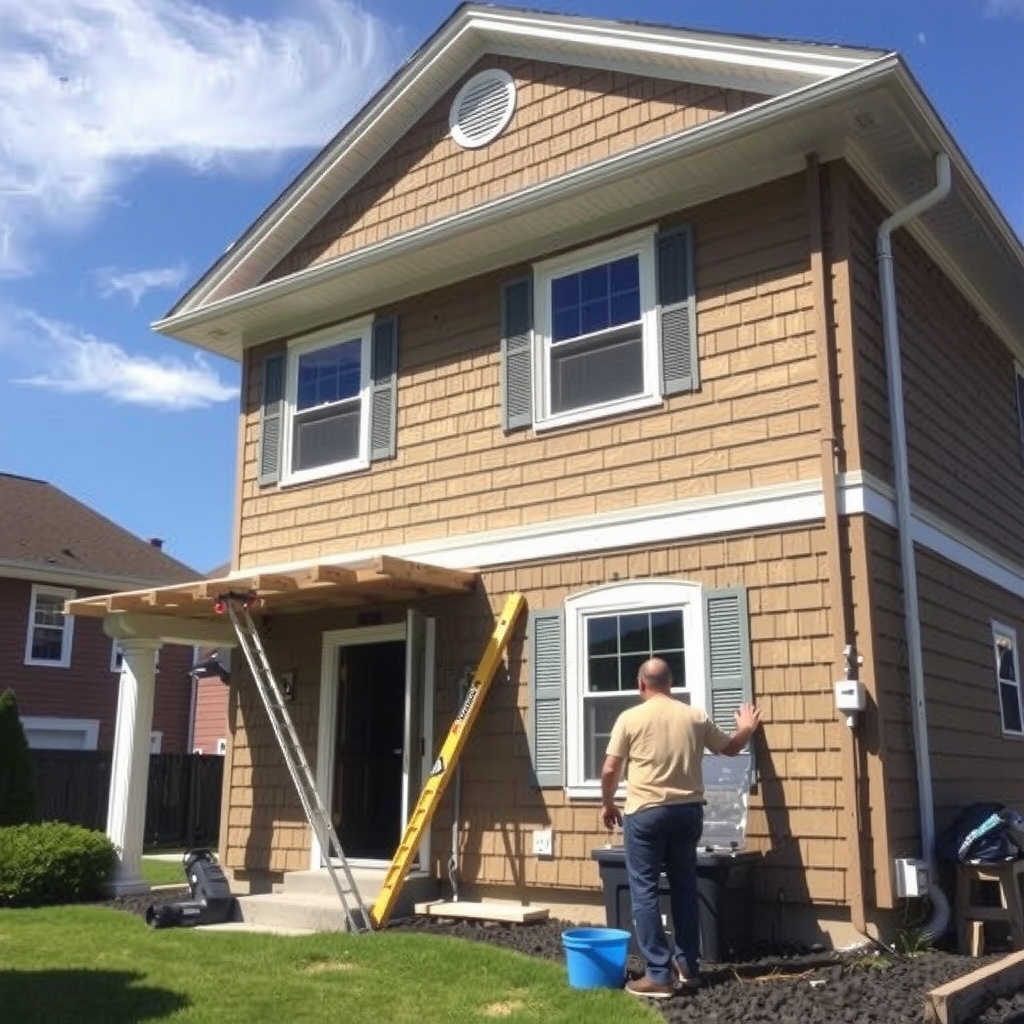
How to Choose a Home Addition Contractor in Hauppauge
Many Hauppauge families reach the same point sooner or later. The house that fit perfectly ten years ago now feels crowded, yet the neighborhood, the schools, and the commute are all worth keeping. Adding space is often the answer, and the contractor you hire will shape how that new space looks and performs for decades.
A home addition involves structural engineering, roofing, and mechanical systems, and it all has to tie seamlessly into an existing house. Choosing the right builder takes more homework than choosing a painter or a flooring installer. This guide walks through what Hauppauge homeowners should check before signing a contract.
Start by Defining the Project Type
Before you call anyone, get clear on what kind of space you need. Each project type calls for a different skill set, so knowing your goal helps you find a contractor with the right experience.
A full home addition adds new square footage on a new foundation, often as a family room, primary suite, or in-law space. Dormers raise part of the roofline to turn a cramped upper floor into usable bedrooms and bathrooms, which works especially well on the Capes and ranches common throughout Hauppauge. A home extension pushes an exterior wall outward to enlarge an existing room, such as a kitchen that needs space for an island.
Sometimes the answer is inside the house you already have. A basement remodeling project can create a family room, guest suite, or home office without changing the footprint at all. Many homeowners also combine an extension with kitchen remodeling so the new layout and the new finishes are planned together from the start.
Confirm Licensing and Insurance in Writing
Home improvement contractors working in Hauppauge must hold a valid county home improvement license. Ask for the license number and verify it yourself through the licensing office before any work begins.
Insurance matters just as much. Request certificates for general liability and workers’ compensation coverage, and ask to have them sent directly from the insurance carrier. If a worker is injured on your property and the contractor lacks proper coverage, the liability can fall on you as the homeowner.
Ask How the Contractor Handles Zoning and Permits
Additions and dormers require building permits, stamped architectural plans, and a series of inspections. Hauppauge is split between the Town of Smithtown and the Town of Islip, so the building department reviewing your project depends on which side of the hamlet your home sits on. Each town enforces its own setback, lot coverage, and height rules.
A qualified contractor should be able to explain how those rules apply to your specific lot during the first site visit. Ask who prepares the plans, who submits the permit application, and who schedules inspections. The best answer is that the contractor coordinates the entire process with licensed architects and structural engineers, then carries the project through to the final certificate of occupancy. Work completed without proper permits can cause serious problems when you refinance or sell.
Find Out Who Actually Performs the Work
Some companies sell the job and then hand every phase to a different subcontractor. Others keep framing, roofing, and finish carpentry with their own crews. Both models can work, but you deserve to know which one you are getting.
Ask who will be on site each day, who supervises the crew, and who your single point of contact will be. When one team manages the foundation, framing, mechanical rough-ins, and interior finishes together, scheduling tends to run more smoothly and accountability stays clear if an issue comes up.
Get the Warranty Spelled Out
A verbal promise to “stand behind the work” carries little weight years after the crew has left. Ask for the warranty in writing, and make sure it separates the different parts of the build. Materials, mechanical systems, general workmanship, and structural components usually carry different coverage periods.
Seeing how established builders present their terms can help you know what to look for. Legacy Construction, a custom home builder in Portland, Maine, publishes a warranty broken down by materials, systems, workmanship, and structural coverage, which offers a useful model of what a complete written warranty should address. Use that kind of breakdown as a checklist when you compare proposals, and ask each contractor to fill in any gaps.
Review the Contract and Schedule Carefully
A clear contract protects both you and the builder. It should include a detailed scope of work, a list of included materials and finish allowances, and a written process for change orders. Payment milestones should be tied to completed phases of work, such as foundation, framing, and final inspection.
Ask for an estimated start date and a realistic construction timeline. Weather, permit review, and inspection scheduling can all shift dates, so a good contractor will explain which steps carry the most risk of delay and how they plan around them. Be cautious of anyone who pressures you to sign immediately or asks for a large portion of the payment before work begins.
Look at Finished Projects Similar to Yours
Photos of kitchens and bathrooms are helpful, but they tell you little about structural work. If you are planning a dormer on a Cape, ask to see completed dormers on Capes. If you want a second story on a ranch, ask for examples of that exact project.
Pay attention to the details where old construction meets new. Rooflines should align cleanly, siding should match in color and exposure, and interior floors should feel level at the transition. Online reviews and Better Business Bureau ratings add useful context, especially reviews that mention communication, cleanup, and how the contractor handled surprises.
Plan for Life During Construction
Most families stay in their homes during an addition, so ask how the contractor protects the living areas that remain in use. Dust barriers, temporary weather protection when a roof is opened, and a daily cleanup routine make a real difference over a multi-month project.
Talk through practical details before work starts. Discuss where the dumpster and material deliveries will go, how early crews arrive, and whether utilities will need to be shut off at any point. Contractors who raise these topics on their own usually have plenty of experience working around occupied homes.
Conclusion
A well-built addition can give your family the space it needs without the disruption of moving away from a neighborhood you love. Taking time to verify licensing, understand the permit process, review the warranty, and study past projects puts you in a strong position to choose a builder you can trust.
Meigel Home Improvements is a family-owned, licensed and insured contractor with an A+ BBB rating, and our team has spent more than 40 years helping local homeowners plan additions, dormers, extensions, and interior remodels. If you are weighing your options, contact us to schedule a free on-site consultation for your Hauppauge home.