Architectural Expansion: The Definitive Guide to Home Additions & Extensions in Hauppauge, NY (2026)

The quintessential suburban dream often begins with a charming home in a settled neighborhood, perhaps a well-maintained ranch or a classic colonial near the heart of Suffolk County. However, as families grow, remote work becomes a permanent fixture, or the desire for multi-generational living arises, that dream often outgrows its original footprint. In the current real estate landscape of 2026, many residents in Hauppauge find themselves at a crossroads: sell a home they love to find more square footage elsewhere, or invest in the structural potential of their existing property.

Choosing the path of expansion through home additions & extensions is not merely a construction project; it is a sophisticated exercise in wealth management and architectural integration. In a high-value market like Long Island, adding habitable square footage is the most reliable method for increasing property equity while avoiding the exorbitant closing costs and high interest rates associated with moving. This guide explores the technical, regulatory, and design-led imperatives of expanding your home, ensuring that your new space is as structurally sound as it is beautiful.

1. The Strategic Logic of Adding On: Equity vs. Acquisition

In the 2026 economy, the financial argument for expanding your current residence has never been more compelling. For many Hauppauge homeowners, the “acquisition cost” of a larger home in the same school district involves significant premiums. By contrast, a well-executed extension allows you to customize your environment to your exact specifications while keeping your existing tax base and neighborhood ties intact.

The Appreciation Factor

Habitable square footage is the primary metric used by appraisers to determine market value. When you invest in home additions & extensions, you are effectively manufacturing equity. On Long Island, specialized additions—such as primary suite extensions or expanded kitchen “great rooms”—frequently see a high percentage of cost-to-value return.

Future-Proofing for Multi-Generational Living

We are observing a significant trend in the Metro New York area toward “universal design.” Homeowners are no longer just adding bedrooms; they are adding accessory suites for aging parents or independent spaces for adult children. A professional extension planned with these needs in mind ensures the home remains functional for decades, rather than just years.

2. Navigating the Regulatory Landscape: Town of Islip and Smithtown Permits

Hauppauge occupies a unique geographical position, straddling the border of the Town of Islip and the Town of Smithtown. This means that home additions & extensions are subject to two different sets of zoning boards, building codes, and permit requirements. Navigating this bureaucracy is often the most daunting phase of a project for the uninitiated.

Zoning and Setbacks

Before the first shovel hits the ground, we must determine the “buildable envelope” of your property.

  • Side-Yard Setbacks: Most residential zones in our area require a specific distance between your new exterior wall and the property line.
  • Lot Coverage Ratios: Municipalities limit the percentage of your lot that can be covered by “impervious surfaces” (structures and pavement) to manage rainwater runoff—a critical concern given Long Island’s sole-source aquifer system.

The Variance Process

If your vision exceeds the standard zoning allowances, you may require a variance. This involves a public hearing where you must demonstrate that your project does not negatively impact the character of the neighborhood or the privacy of your neighbors. Professional architectural drawings and a clear site plan are essential for success at the zoning board.

3. Structural Foundations: The Groundwork for Longevity

The technical success of home additions & extensions begins beneath the soil. Long Island’s geology is predominantly glacial outwash—sandy, well-draining soil that is generally excellent for construction but requires specific footings to prevent settling.

Footings and Frost Lines

In New York, the building code requires footings to be placed below the frost line—typically 36 to 42 inches deep. This prevents “frost heave,” where moisture in the soil freezes and expands, physically lifting the foundation and causing cracks in your new drywall or masonry.

Foundation Types: Slab vs. Crawlspace vs. Full Basement

  • Slab-on-Grade: Cost-effective and quick, but provides no storage and makes future plumbing repairs more difficult.
  • Crawlspace: Offers a middle ground, allowing for the routing of HVAC ducts and plumbing lines while keeping the structure elevated from ground moisture.
  • Full Basement Extension: The most expensive option, but it effectively doubles the square footage gain by providing a new lower level that can be finished later.

4. Architectural Integration: The “Invisible” Addition

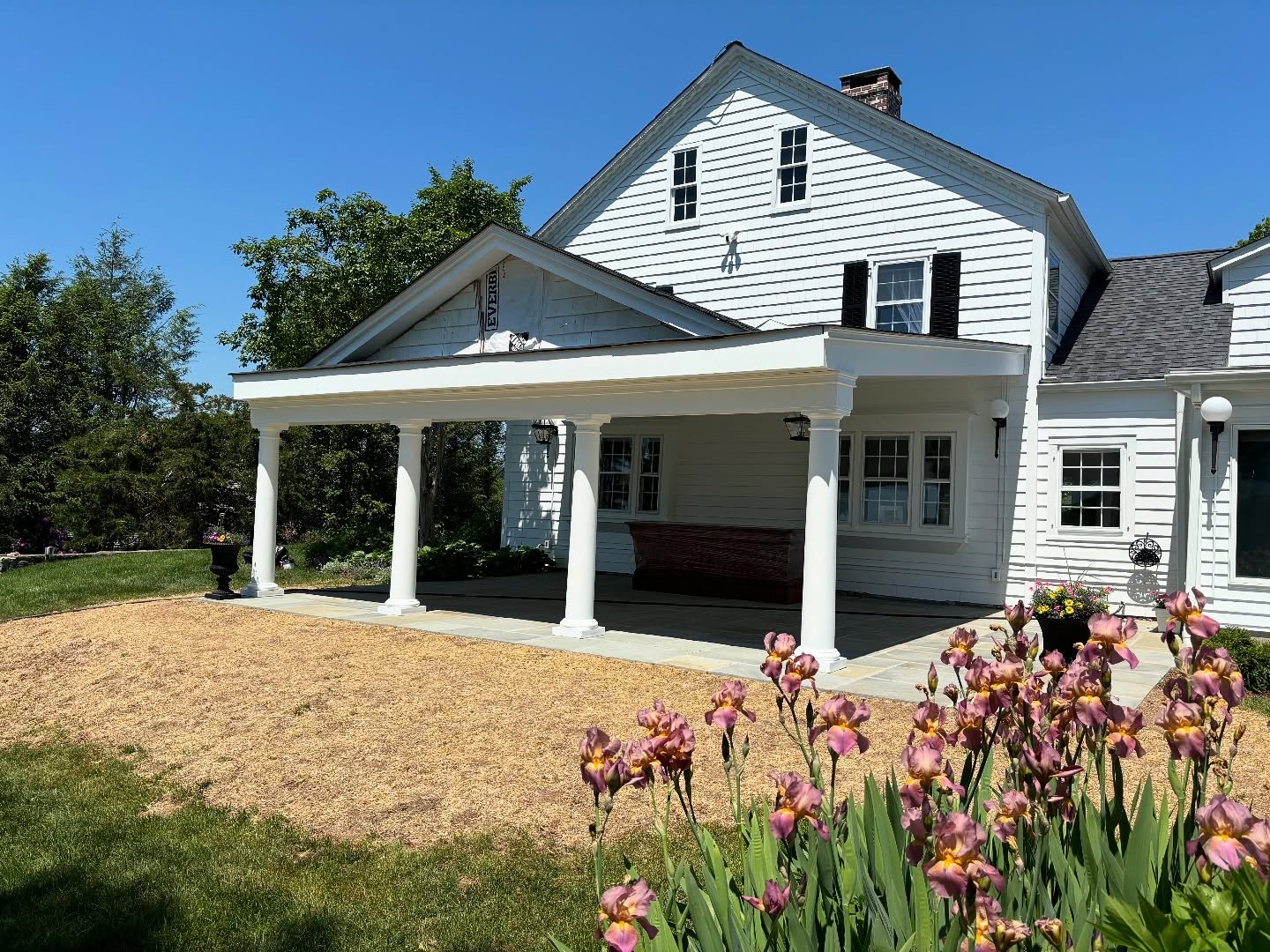
The hallmark of a superior home extension is that it looks as though it was always there. Poorly planned home additions & extensions often look like “boxes” tacked onto the side of a house, which can actually detract from resale value.

Roofline Harmony

Matching the pitch and style of the existing roof is critical. If your original home has a 12/12 pitch gable roof, a flat-roofed addition will create a visual disconnect. We prioritize “weaving” the new roof into the old, ensuring proper flashing at the valleys to prevent the notorious ice damming issues we face during New York winters.

Siding and Fenestration

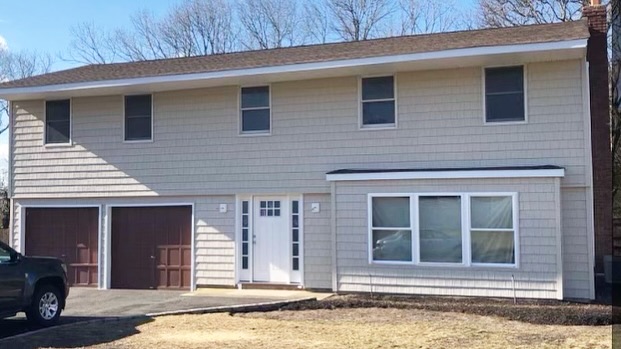
Matching decades-old siding or brick is a challenge. Often, the best approach is to reside the entire elevation of the house where the addition is located to ensure color consistency. Similarly, the windows (fenestration) in the new wing should match the proportions and “lite” patterns of the original structure to maintain architectural rhythm.

5. Systems Integration: HVAC, Electrical, and Plumbing

An addition is not an island; it is a new limb on an existing body. One of the most common mistakes in home additions & extensions is overtaxing the existing mechanical systems of the home.

Heating and Cooling (HVAC)

Can your current boiler or furnace handle an extra 500 to 1,000 square feet?

  • Zone Dampers: We often recommend adding a new zone to your thermostat to ensure the addition is heated independently.
  • Ductless Mini-Splits: For many Hauppauge extensions, a high-efficiency heat pump (mini-split) is the most logical choice. It provides both heating and cooling without requiring the invasive installation of new ductwork through existing walls.

Electrical Load and Service Upgrades

Modern New York homes have high electrical demands. If your home still has a 100-amp service panel, adding a new kitchen extension or a primary suite with a heated floor will likely require an upgrade to a 200-amp panel to meet National Electrical Code (NEC) safety standards.

6. Material Science: Building for the Atlantic Climate

Long Island’s climate is characterized by high humidity, salt-laden air, and significant seasonal temperature swings. The materials chosen for home additions & extensions must be resilient enough to withstand these forces.

Moisture Barriers and R-Value

We utilize advanced house wraps and “flash-and-batt” insulation techniques to ensure the new space is airtight. In 2026, energy codes have become stricter, requiring higher R-values (thermal resistance) in walls and ceilings. This not only keeps the room comfortable during a February nor’easter but also significantly reduces your monthly utility bills.

Exterior Durability

We advocate for fiber-cement siding (like James Hardie) or high-grade cellular PVC trim. Unlike traditional wood, these materials do not rot, warp, or succumb to wood-boring insects, which are prevalent in the wooded sections of Hauppauge.

7. The Construction Experience: Managing the Disruption

At Meigel Home Improvements, we recognize that we aren’t just working on a job site; we are working in your home. Professional home additions & extensions require a logistical plan to minimize the impact on your daily life.

  • Dust Containment: We utilize HEPA-filtered air scrubbers and pressurized plastic barriers to ensure that construction debris doesn’t migrate into your living room.
  • Staging and Access: We plan the delivery of lumber and heavy machinery to protect your driveway and landscaping.
  • Communication: A dedicated project manager ensures that you know exactly which trade (plumbing, electrical, framing) will be on-site and when.

8. Frequently Asked Questions (FAQ)

How much does a home addition cost in Hauppauge?

Costs vary wildly based on the complexity, but on Long Island, homeowners should expect a range of $300 to $500 per square foot for high-quality, code-compliant construction. Kitchens and bathrooms significantly increase this average due to plumbing and cabinetry costs.

How long does the process take?

A typical extension project spans four to eight months. This includes the architectural phase (1-2 months), the permit approval phase (1-3 months), and the actual construction (3-5 months).

Will an addition increase my property taxes?

Yes. Any project that increases the habitable square footage or the “market value” of the home will result in a reassessment. However, this is usually offset by the significant increase in the home’s equity.

Conclusion: Crafting Your Legacy in Hauppauge

Expanding your home is one of the most significant transformations you will ever undertake. It is a process that turns a house into a bespoke estate, tailored specifically to the rhythms of your life. In the unique environment of Hauppauge, NY, where the community is tight-knit and the homes are a source of immense pride, home additions & extensions represent the ultimate commitment to your property’s future.

By prioritizing structural integrity, architectural harmony, and technical precision, you ensure that your new space is not just an “extra room,” but a seamless continuation of your home’s story. At Meigel Home Improvements, we are honored to be the craftsmen who help our neighbors realize these visions.